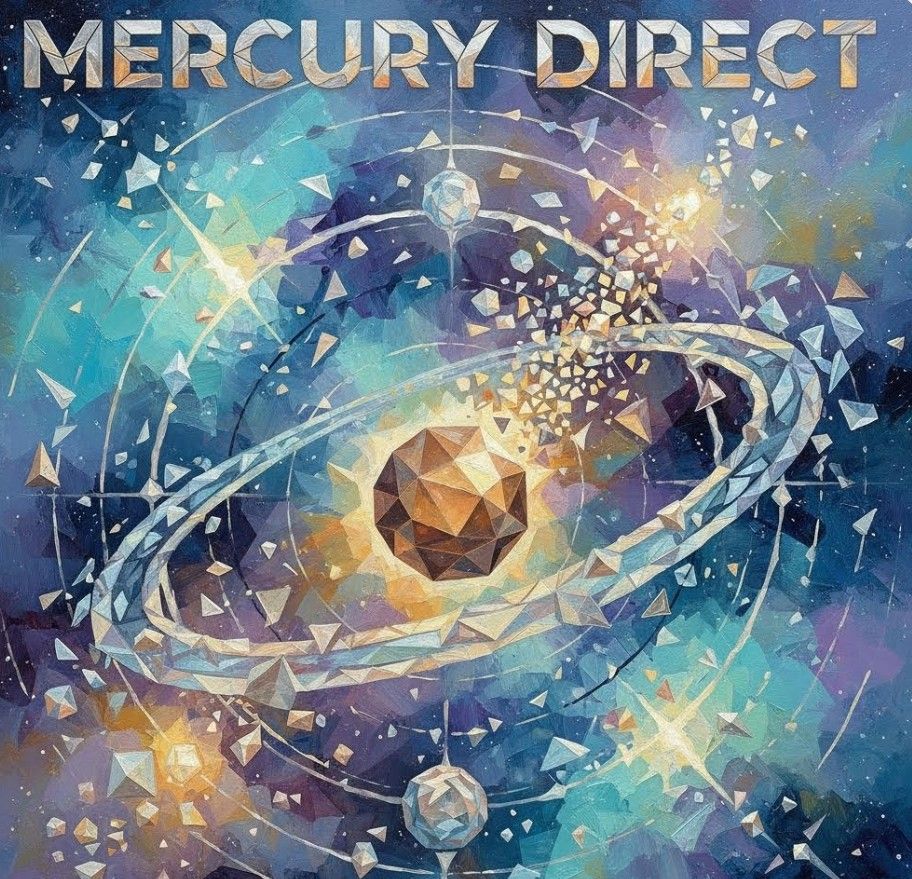
Mercury is now direct at 17 degrees Cancer, signaling a shift from inner reflection to forward movement. While the retrograde encouraged us to revisit old conversations, emotional patterns, memories, and beliefs, Mercury moving direct allows us to begin applying what we’ve learned.
The 17th degree carries the energy of wisdom gained through experience. Rather than rushing ahead, this degree reminds us that true progress comes from emotional maturity and self-awareness.
With Mercury in Cancer, our thoughts remain deeply connected to our feelings and intuition. Communication becomes more heartfelt, and we’re encouraged to speak from emotional honesty instead of fear or self-protection.
Over the coming weeks, pay attention to the conversations that naturally unfold, the decisions that suddenly become clear, and the insights that continue to emerge. The retrograde wasn’t meant to stop your life—it was meant to refine your perspective.
Now, move forward with greater clarity, trusting that the emotional lessons you’ve gathered are becoming the foundation for wiser choices and more authentic communication.
Saturn Retrograde in Aries : Building the Foundation That Can’t Be Taken Away
Saturn retrograde isn’t here to punish you. It’s here to slow you down long enough to reveal what has already been changing beneath the surface.
As Saturn retrogrades through Aries , themes surrounding trust, vulnerability, shared resources, debt, intimacy, survival, and psychological transformation come into focus. This isn’t simply about external circumstances. It’s about the relationship you have with yourself while moving through them.
Aries wants to move quickly. Saturn asks you to move wisely.
Instead of reacting from fear, Saturn asks: What am I building? Is this action coming from survival, or is it coming from self-trust?
For me, this transit connects deeply to my natal Saturn in Sagittarius in the fourth house. My Saturn return wasn’t just about responsibility—it was about rebuilding my foundation.
Between moving from home to home, raising my children as a single mother, relocating states, rebuilding after loss, and learning difficult truths about family, I spent years searching for stability. Looking back, I realized something profound: I rarely had all three pillars of stability at the same time—a secure home, reliable transportation, and stable income. Usually one piece was missing.
Saturn taught me that while external stability is important, an inner foundation must be built alongside it.
Now, as Saturn moves through my eighth house, those lessons are being applied on a deeper level. Financial uncertainty, shared resources, fear of loss, trust, boundaries, and surrender all become opportunities to strengthen what I’ve already been building within myself.
This transit reminds us that resilience isn’t pretending life doesn’t hurt. It’s refusing to let pain become your identity.
Over the past several years, I’ve learned that my greatest gift isn’t avoiding hardship—it’s transforming it into wisdom. Instead of allowing painful experiences to harden my heart, I choose to turn them into conversations, blogs, readings, and teachings that help others better understand themselves.
That’s the work of Saturn.
Not perfection.
Not punishment.
Maturity.
Saturn asks us to own our choices, acknowledge our humanity, and take responsibility for the life we’re creating today—not because our past didn’t matter, but because our future deserves a stronger foundation.
If this retrograde is bringing old fears to the surface, don’t rush to silence them.
Listen.
Observe.
Strengthen what is real.
Because the strongest foundation isn’t built when everything is easy. It’s built when life gives you every reason to collapse, and you choose, one day at a time, to become someone your own mind, body, and spirit can rely on.
The Sun is currently moving through 4 degrees of Leo, a degree associated with spiritual wisdom, magic, and refinement through experience.
Leo naturally rules creativity, self-expression, confidence, and the courage to be seen. At this degree, the spotlight isn’t simply about recognition—it’s about earning the wisdom to carry influence with integrity. The microphone is handed to those who have developed inner strength, mental uniqueness, and the discipline to express themselves authentically.
Spiritually, this energy asks you to strengthen your solar plexus chakra—the center of confidence, personal power, and purposeful action. Your ability to lead begins with your ability to trust yourself.
On a physical level, this energy may be experienced through the hands, lungs, and nervous system. Meditation, breathwork, mindfulness, and intentional focus can help regulate your energy and sharpen your awareness during this transit.
The lesson of this degree is the Law of Action.
Life may present unexpected changes, unpredictable circumstances, or interruptions that challenge your plans. Moments of disappointment or discouragement aren’t necessarily signs that you’re on the wrong path. Instead, they reveal where your focus, confidence, and commitment are being tested.
When this energy is expressed unconsciously, interruptions can turn into sloth, unnecessary drama, frustration, or aggression. These reactions pull your attention away from your purpose and leave you feeling defeated or disconnected from your own competence.
Your power returns the moment you choose intentional action over emotional reaction.
Pay close attention to your blind spot during this transit: Capricorn themes. Authority figures, responsibilities, limitations, boundaries, and external restrictions may become important teachers. Rather than seeing these experiences as obstacles, consider how they are refining your leadership, discipline, and long-term vision.
This Leo season isn’t asking you to shine louder.
It’s asking you to shine wiser.
When wisdom guides your confidence, your actions become your greatest source of power.
Our Higher Self, Our Lower Self, and the Instincts That Drive Us
I recently reflected on an idea from Osho that challenged me to think differently about human behavior. The idea suggests that human beings spend much of their lives operating from instinct, while true consciousness is surprisingly rare and difficult to sustain.
Whether or not you agree with the percentages, the larger point is worth considering: awareness requires effort, while instinct is automatic.
When people commit cruel, manipulative, or violent acts, we often reach for spiritual labels. We call them evil, demonic, or possessed. But what if we looked at those behaviors through another lens?
What if we asked, “What instinct is driving this person?”
Animals aren’t evil. They survive according to their nature. They protect territory, compete, flee danger, and react to threats. Human beings have those same survival instincts, but we also possess the capacity to observe ourselves, question our reactions, and choose differently.
That is where consciousness begins.
When I hear someone talk about a spirit animal, I wonder if we’re only looking at the qualities we admire. Maybe our instinctive nature also has a shadow side. Under stress, fear, jealousy, humiliation, or anger, what instinct takes over? Do we become defensive? Aggressive? Controlling? Withdrawn? Predatory? Protective?
These questions aren’t meant to shame us. They’re meant to help us understand ourselves.
I like thinking about it as the difference between our higher self and our lower self—our God self and our dog self.
Our higher self creates, reflects, loves, and chooses intentionally.
Our lower self reacts, protects, survives, and follows instinct without awareness.
The goal isn’t to destroy our instincts. Instinct keeps us alive. The goal is to become conscious enough that instinct no longer controls every decision we make.
The more awareness we cultivate, the more freedom we gain.
Perhaps the real spiritual journey isn’t about proving we’re good. It’s about recognizing when we’ve slipped into unconscious survival patterns and gently returning to awareness, compassion, and choice.
Maybe that’s what growth really is—not becoming someone else, but remembering the part of ourselves that can choose instead of simply react.
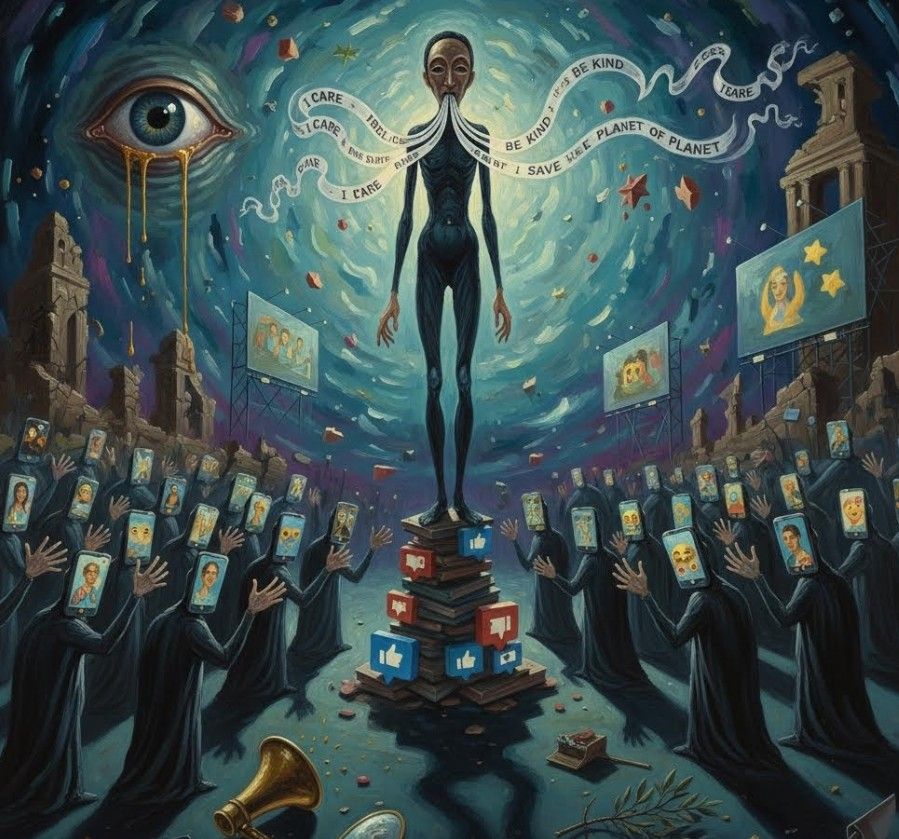
Grandstanding, Virtue Signaling, and the Search for Borrowed Energy
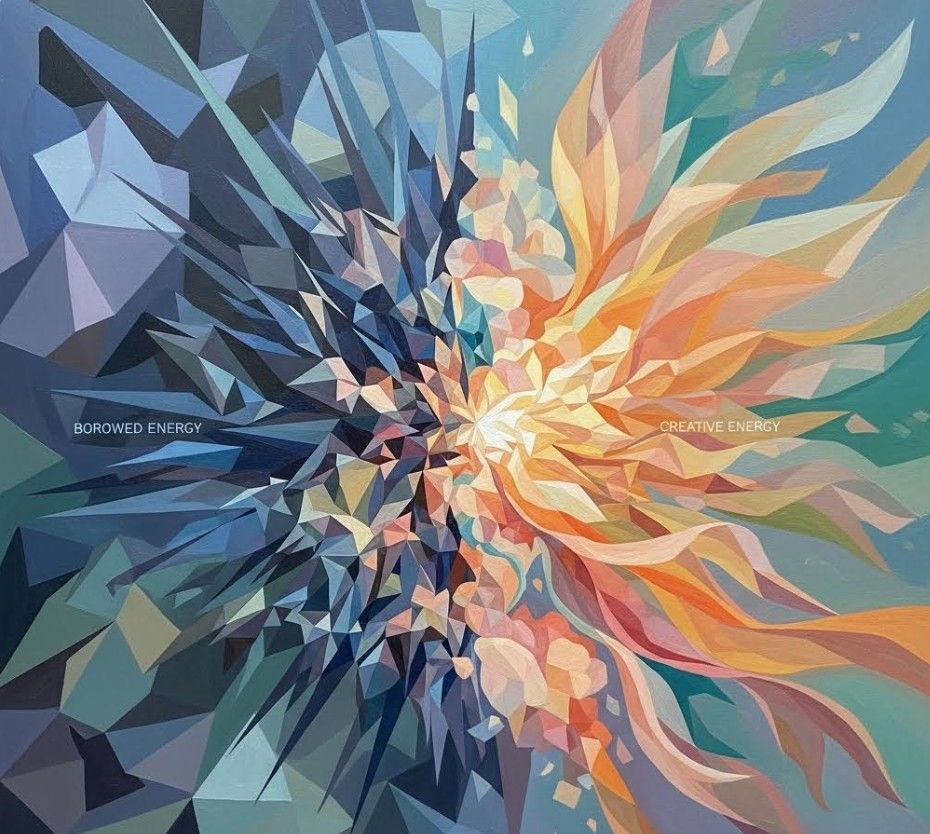
One of the themes I’ve been exploring is the difference between borrowed energy and creative energy.
Creative energy comes from within. It builds, creates, heals, solves problems, and remains connected to who you are whether anyone notices or not.
Borrowed energy depends on something outside of you. It often relies on attention, comparison, validation, conflict, or the emotional reactions of others.
This is where grandstanding and virtue signaling can enter the picture.
To be clear, speaking about your values isn’t virtue signaling, and helping people publicly isn’t automatically grandstanding. Many people advocate for important causes, share acts of kindness to inspire others, or use their platform to create meaningful change.
The difference is found in the motivation.
Grandstanding happens when the performance becomes more important than the purpose. Instead of quietly contributing to a solution, the focus shifts toward being recognized as the person who contributed.
Virtue signaling occurs when displaying morality becomes more important than consistently living by those values. The appearance of integrity begins to outweigh the practice of integrity.
Both behaviors can become forms of borrowed energy because they rely on external validation to reinforce identity.
This also connects to narrative control.
Sometimes maintaining the image of being the “good person” requires someone else to become the “bad person.” Instead of pursuing understanding or accountability, the story becomes carefully managed to preserve a public identity.
When that happens, another person’s pain, mistakes, or struggles can unintentionally become the backdrop for someone else’s reputation.
Creative energy doesn’t work this way.
Creative energy asks:
* What can I build? * What can I contribute? * How can I make this situation better? * How can I embody the values I claim to hold?
It doesn’t require applause to remain authentic.
It doesn’t need comparison to establish worth.
It doesn’t depend on someone else’s downfall to feel significant.
As we continue exploring borrowed energy, you’ll probably notice that many behaviors share the same root. Whether it’s comparison, triangulation, narrative control, grandstanding, or virtue signaling, the common thread is searching outside ourselves for significance.
Creative energy invites us in a different direction.
Instead of performing who we are, we become who we are.
And from that place, our actions naturally speak louder than our image ever could.
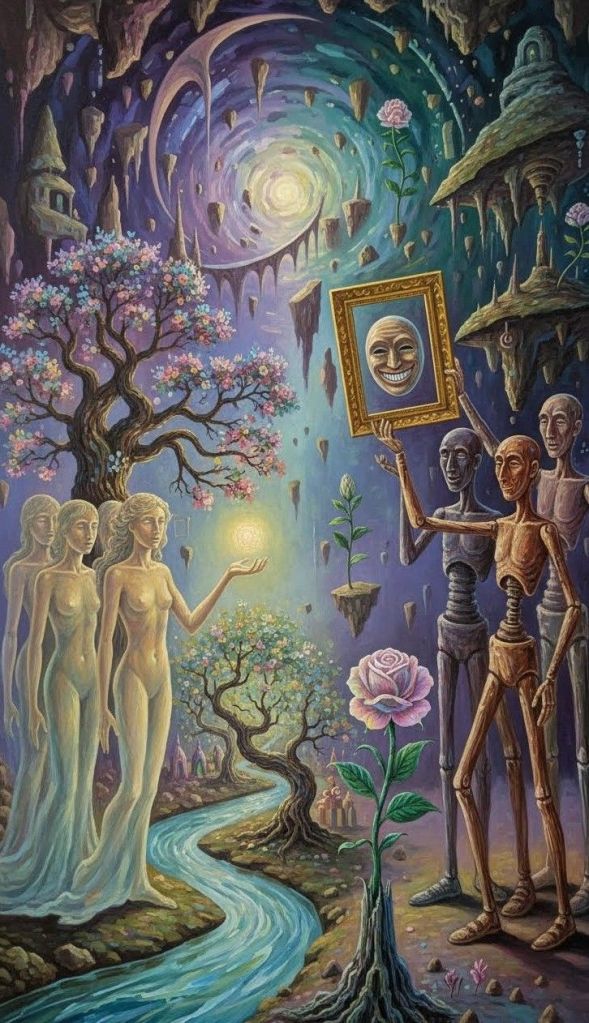
Many people confuse being perceived as good with actually being good. While the two can look similar on the surface, they come from very different motivations.
Performing as a good person is often driven by the need for approval, acceptance, or maintaining an image. A person’s actions may appear generous or kind, but the underlying motivation is to protect how they are seen by others. When their image is threatened, defensiveness, blame, or manipulation often follows because preserving the appearance of goodness becomes more important than pursuing truth.
True goodness, on the other hand, flows from integrity. It doesn’t depend on recognition or validation. A genuinely good person is willing to take responsibility for mistakes, seek reconciliation, and do what is right even when no one is watching. Their character remains consistent because it is rooted in conviction rather than performance.
There are also people who appear good because someone else is carrying the cost. In unhealthy family systems, workplaces, or relationships, one person may be blamed, silenced, or sacrificed so another can maintain the role of the “good” person. This creates an illusion of goodness that depends on another person’s suffering. Genuine goodness never requires another person to lose their voice, dignity, or worth so someone else can protect their reputation.
Real goodness is revealed not by appearances, but by humility, accountability, compassion, and the willingness to tell the truth with love. It builds others up rather than using them to maintain an image.
Borrowed energy keeps you reacting. Creative energy allows you to create. When your identity depends on approval, validation, fear, or someone else’s expectations, you’re living from borrowed energy. Healing isn’t about becoming someone new—it’s about returning to yourself so your thoughts, choices, and creativity come from within instead of from survival.
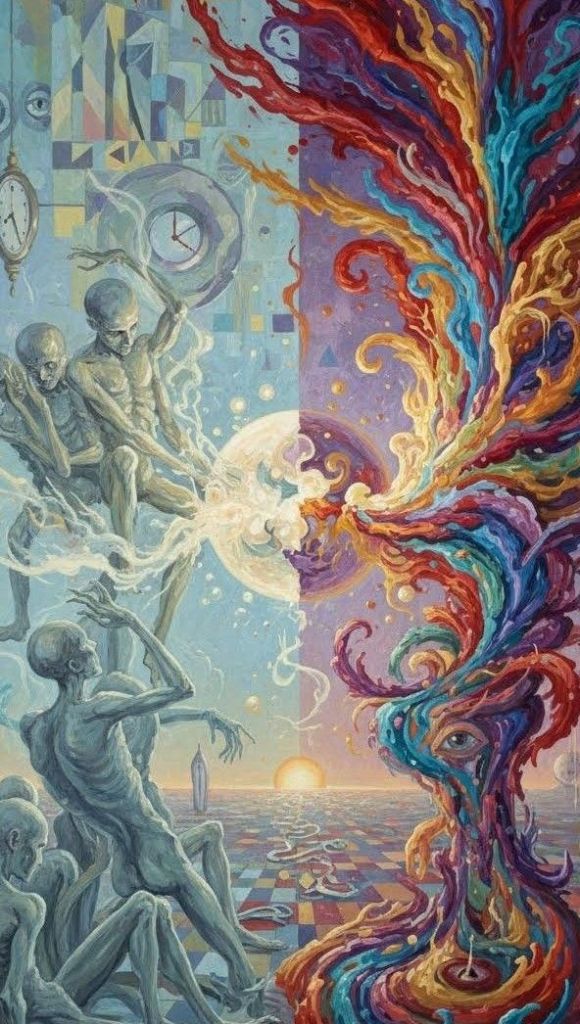
Creative energy and borrowed energy come from two very different places.
Borrowed energy is survival energy. It develops when we learn to depend on other people’s approval, emotions, expectations, or validation to feel safe, valuable, or secure. Instead of creating from our own identity, we spend our energy reacting, proving ourselves, people-pleasing, or trying to maintain acceptance. While borrowed energy can help us survive difficult environments, it often disconnects us from our authentic voice and leaves us emotionally exhausted.
Creative energy is self-generated energy. It flows from a regulated nervous system, a grounded sense of identity, and an internal foundation rather than external circumstances. When you are connected to yourself, your creativity is no longer driven by fear or the need to perform. Your ideas, decisions, relationships, and work become expressions of who you are instead of attempts to earn your worth.
Healing is the transition from borrowed energy to creative energy. As we regulate our bodies, establish healthy boundaries, and deepen our relationship with God, we stop living from survival and begin creating from purpose. Rather than borrowing life from the people around us, we become rooted in the life that God has already placed within us. From that place, creativity, peace, wisdom, and authentic connection begin to flow naturally.
One of the biggest shifts we can make is learning to recognize where our energy comes from.
Creative energy is self-generated. It comes from curiosity, purpose, love, integrity, and a regulated nervous system. It creates ideas, solutions, beauty, connection, and growth without needing to diminish anyone else.
Borrowed energy, on the other hand, often comes from an unhealed wound. Instead of creating something new, it relies on someone else’s attention, success, emotions, or identity to feel powerful or significant.
That wounded energy can express itself in several ways:
– Borrowed energy seeks validation or identity through someone else. – Redirected energy shifts attention away from another person’s strengths or accomplishments to avoid discomfort or insecurity. – Extractive energy feeds on another person’s emotional, mental, or spiritual resources without giving back. – Contrast energy creates significance by making comparisons, criticism, or positioning oneself against someone else.
These are all different expressions of the same underlying pattern: looking outside ourselves for the energy we’re meant to cultivate within.
The invitation isn’t to shame ourselves or others. It’s to become aware. Every moment gives us a choice: continue borrowing energy, or begin creating it.
Creative energy is slower to build, but it lasts. Borrowed energy may feel powerful for a moment, but it eventually leaves us empty.
The more we create from within, the less we need to take from anyone else.
A wounded family system is a family dynamic where unresolved pain, fear, and unhealthy coping patterns are passed from one generation to the next. Roles such as the caretaker, scapegoat, golden child, or peacemaker often develop as survival strategies instead of allowing each person to express their authentic self. Healing begins by recognizing these patterns, developing self-awareness, creating healthy boundaries, and choosing responses that bring peace instead of repeating cycles of dysfunction.
The Wounded Masculine & Wounded Feminine
The wounded masculine and wounded feminine are patterns of imbalance that can exist in anyone, regardless of gender. The wounded masculine may express itself through control, emotional suppression, anger, or overachievement, while the wounded feminine may appear as people-pleasing, self-abandonment, fear of rejection, or difficulty receiving. Healing comes through balancing both energies—developing healthy structure and accountability alongside compassion, intuition, emotional safety, and self-worth. When these qualities work together, we are able to live, love, and lead from a place of wholeness rather than survival.
Healing is not just about leaving a person. Sometimes healing means recognizing the system that created the behavior, understanding the pattern, and choosing not to carry it forward.
New Moon in Cancer (22°): Healing Capacity & Protection
The New Moon in Cancer at 22 degrees highlights your healing capacity and the protective foundations that help you feel emotionally safe. This energy emphasizes the nurturing qualities of the “mother” archetype, reminding you that genuine comfort grows from stability, security, and a strong emotional foundation.
Your mental self-care influences your spiritual balance, and that inner harmony naturally manifests through the effort you invest in your relationships. Physically, this energy may draw attention to the integumentary system (the skin), the eyes, and the importance of movement and exercise as reflections of your overall well-being.
At its core, this New Moon teaches the Law of Correspondence: your outer experiences often mirror your inner emotional world. Themes surrounding family, home, and emotional security invite you to examine where limitations exist. By honestly confronting areas of instability, you create the opportunity to release patterns of overindulgence, emotional excess, or behaviors that have interrupted your progress and left you feeling burdened by restriction.
This lunation encourages healing through awareness, emotional responsibility, and the willingness to strengthen the foundations that support lasting peace.
Biblical Reflection: Acts 18; Job 7–9.
Biblical Reflection: Acts 18; Job 7–9
The themes found in Acts 18 and Job 7–9 echo the spiritual lessons of the New Moon in Cancer by emphasizing protection, endurance, emotional honesty, and the rebuilding of a stable foundation.
In Acts 18, Paul experiences both opposition and divine reassurance. Despite uncertainty and resistance, God tells him not to be afraid but to continue speaking because he is protected and not alone. This chapter reflects the Cancerian themes of emotional security and protection, reminding us that true stability is not built solely on external circumstances but on trusting the foundation God provides. It also demonstrates how perseverance and faithful relationships create environments where growth and healing can flourish.
In Job 7–9, Job openly expresses his grief, exhaustion, and frustration. Rather than suppressing his emotions, he brings them honestly before God. These chapters acknowledge the reality of emotional suffering while also recognizing God’s wisdom and sovereignty. Job’s experience reminds us that healing often begins by confronting the places where we feel limited, unstable, or overwhelmed instead of avoiding them.
Together, these passages reinforce the lesson of the Law of Correspondence: as we strengthen our inner spiritual and emotional foundation, our external lives begin to reflect greater peace, healthier relationships, and increased resilience. By addressing emotional wounds, releasing unhealthy coping patterns, and trusting God’s guidance through seasons of uncertainty, we create space for lasting transformation.
This New Moon invites you to establish a secure foundation rooted in faith, emotional honesty, and wise stewardship of your heart. As your inner world becomes more stable, your home, relationships, and daily life become a reflection of that healing.