Category: Daily Muse

  • ✨3 ways Someone is obsessed but claim to not like you.

    Watch video here:

    https://youtu.be/LgDMcGffNdY?is=mP48oO-fEFU-HNGA

    When “I Don’t Like You” Still Looks Like Obsession

    Have you ever noticed someone repeatedly watching you, talking about you, checking for updates, appearing wherever you are, or constantly finding ways to interact with you—while simultaneously making it very clear that they don’t like you?

    Sometimes what looks like obsession isn’t admiration at all. It can be attachment, control, projection, or an unresolved dynamic.

    The first possibility is narrative control.

    Someone can become so attached to the story they’ve created about you that your name becomes part of their identity. They need to know what you’re doing, what you’re saying, who you’re around, and how you’re progressing because your existence has become relevant to the narrative they’re telling themselves.

    The second possibility is the lesson.

    Some relationships feel repetitive because they keep presenting the same lesson until you respond differently. It may be a boundary you haven’t established, a trigger you haven’t healed, or a pattern you haven’t recognized. The purpose isn’t necessarily to keep dealing with the person. Sometimes the purpose is to learn how to deal with the energy differently.

    And the third possibility is control.

    Some people aren’t trying to connect with you—they’re trying to figure you out. They’re watching for reactions, weaknesses, insecurities, or emotional pressure points. They’ll provoke you just to see what happens.

    But here’s the shift:

    You don’t have to reveal your triggers to prove that you have none.

    You don’t have to react to every provocation. You don’t have to explain yourself. And you don’t have to give someone access simply because they keep trying to get it.

    The goal isn’t to become paranoid about who’s watching you.

    The goal is to become discerning enough to recognize patterns without allowing those patterns to control you.

    Because sometimes the most powerful response isn’t confrontation.

    It’s no access.

  • Manifesting

    Watch video here:

    https://youtu.be/ZvNk6ERkE5M?is=zVLu-PYRabaAObnR

    Part 1

    The Manifestation Is Who You Become

    Manifestation is often described as asking for something and then receiving it.

    But there is a deeper process happening between the asking and the receiving.

    I think of it as light work, shadow work, and alignment.

    The light work is the communication.

    It is where you articulate the desire. You ask. You speak it. You give language to what you want.

    But communication alone doesn’t create embodiment.

    The desire has to go deeper.

    That’s where shadow work comes in.

    Shadow work is the penetration of the desire into your actual life. It moves beneath the words and begins touching your beliefs, habits, fears, identity, boundaries, expectations, and behaviors.

    And this is where you may discover something important:

    The person who desires the manifestation may not be the person who is prepared to receive it.

    You can ask for peace while still being accustomed to chaos.

    You can ask for abundance while still thinking from scarcity.

    You can ask for a new relationship while still carrying expectations created by an old one.

    You can ask for a new life while unconsciously trying to bring every part of the old life with you.

    The desire has to penetrate the person making the request.

    And that process can sometimes feel like resistance.

    But what if resistance isn’t always rejection?

    What if sometimes it’s refinement?

    Certain people, circumstances, delays, disappointments, and experiences can show you exactly what you don’t want. And by showing you what you don’t want, they help you become more precise about what you do.

    They trim away the excess.

    You begin to distinguish between the actual desire and everything you attached to it.

    You stop saying, “I want this.”

    And you start saying:

    “I want this—but not like that.”

    “I want this quality, but not at that cost.”

    “I want this outcome, but these conditions matter.”

    “I want this, and I am no longer willing to compromise these standards to get it.”

    That is precision.

    And precision makes alignment easier.

    Because you can’t align clearly with something you haven’t clearly defined.

    Then comes the third stage:

    Alignment—the congratulations.

    Alignment is the moment your internal world and external behavior begin agreeing with the desire.

    Your choices say yes.

    Your boundaries say yes.

    Your habits say yes.

    Your identity says yes.

    Your environment begins reflecting yes.

    You aren’t merely waiting for the manifestation anymore.

    You’re becoming someone who can recognize it, receive it, participate in it, and sustain it.

    And that’s why the person who asks for the manifestation isn’t necessarily the person who delivers it.

    The person who asks starts the conversation.

    The person who does the shadow work becomes capable of carrying the answer.

    And the person who reaches alignment gets to experience the congratulations:

    “Look at you. You became ready for what you asked for.”

    So perhaps manifestation isn’t simply about making something appear.

    Perhaps it’s a process of communication, penetration, refinement, and alignment.

    Light work says, “This is what I want.”

    Shadow work says, “Let’s see what needs to change for me to embody it.”

    Alignment says, “Congratulations. You’re ready.”

    And sometimes the resistance you encountered wasn’t taking you farther away from your desire.

    It was helping you remove everything that wasn’t part of it.

    Until eventually, you can see the desire clearly enough to say:

    This. Not that.

    And that’s when you stop chasing a vague idea of what you want and begin aligning with something you can actually recognize.

    Because sometimes the greatest manifestation isn’t what you receive.

    It’s who you become in the process of receiving it.

    Manifesting Pt 2

    Watch video here:

    https://youtube.com/shorts/rpzv8xWlyzg?is=bBgQcz6RqdHKsJ2

    Part 2 of my Manifesting Series: Light Work, Shadow Work & Alignment

    I’ve been thinking about manifestation differently.

    Because I don’t think the work is just asking for what you want.

    There’s the light work — the desire.
    What you want. What you’re calling in. What you’re communicating to God, to yourself, to the universe.

    Then there’s the shadow work.

    And that’s the part where you have to ask yourself:

    What do I need to work through?
    What do I need to release?
    Who do I need to become to actually hold what I’m asking for?

    Because sometimes the manifestation isn’t waiting on you to get it.

    Sometimes you’re becoming ready to receive it.

    And then comes alignment.

    That’s the moment when the internal work and the external reality meet.

    No more forcing.
    No more chasing.
    No more wondering if you’re ready.

    Just—

    Here we are.

    The light work gives you the vision.

    The shadow work builds the capacity.

    And alignment is the moment you meet the manifestation you’ve been preparing for.

    Manifestation Pt 3

    Watch video here:

    https://youtube.com/shorts/15LGU3aN8Ns?is=DmVg2nWQhtxqGqnM

    PART 3: RESISTANCE MAKES YOU SPECIFIC. ✨

    Sometimes you think you’re manifesting a home… until life shows you that what you really desire is the home — one that gives you peace, privacy, distance, safety, and room to breathe.

    Sometimes you think you want more clients… until a difficult business experience teaches you exactly what kind of clients you want to work with, what your boundaries are, and what you will no longer accept.

    That’s the part of manifestation we don’t always talk about.

    The resistance can refine the request.

    Every “no,” every uncomfortable situation, every misalignment can give you more information about what a true YES actually looks like.

    The light work says, “This is what I desire.”
    The shadow work asks, “What needs to change, heal, release, or become clearer?”
    And the alignment says, “Now we know exactly what we’re creating.”

    You’re not always being blocked.

    Sometimes you’re being specified. 🎯

    And the more specific you become, the clearer your alignment becomes.

    #Manifestation #Manifesting #ShadowWork #Alignment #SelfDiscovery #PersonalGrowth #ManifestationJourney #LightWork #Becoming

    Manifestation Pt 4

    Watch video here:

    https://youtube.com/shorts/BM9oHX5v6Ow?is=QCweCdbxsqeqiWvi

    Manifestation isn’t just about knowing your purpose. It’s about knowing your resonance.

    Because everything you encounter—people, places, opportunities, circumstances—creates a response within you.

    And the more you understand your body, the easier it becomes to recognize what is actually aligned with you.

    Your body can tell you when something feels like expansion… and when something feels like contraction.

    When you’re forcing.
    When you’re abandoning yourself.
    When you’re operating from fear.
    And when you’ve found that sweet spot—the place where your crown and your throne communicate clearly.

    Your purpose tells you where you’re going.
    Your body helps you recognize what belongs on the way there.

    Alignment isn’t always loud.

    Sometimes it feels like peace.
    Sometimes it feels like relief.
    Sometimes it feels like, “I don’t have to chase this.”

    Learn your resonance.
    Learn your body.
    Learn your sweet spot.

    Because when you know what alignment feels like, you stop confusing familiarity with destiny. ✨

    Part 4: Resonance + Alignment

  • 3 Ways Handlers and Narrative Controllers Attack ✨

    Click link to watch video:

    https://youtu.be/b1M1Z8vLHI0?is=QeK0fvYdQQSRrU6U

    The Three Ways People Try to Control Your Energy

    When someone is invested in controlling a narrative about you, they may not always attack you directly. Sometimes, they challenge the very things that make you powerful: your intellect, your kindness, and your intentions.

    1. Your Intellect

    They may become condescending, dismissive, or argumentative. They question what you know, how you think, and whether you understand what is happening. The goal is to make you second-guess your own discernment.

    2. Your Kindness

    They may take your generosity, compassion, or willingness to help and reinterpret it as weakness, manipulation, attention-seeking, or ulterior motive. They can also use your relationships with other people to create a narrative about you that isn’t actually yours.

    3. Your Intentions

    This is where your actions and words become the target. Something you did with genuine intentions can be villainized, exaggerated, or presented completely out of context. They may project jealousy, competition, hostility, or other motives onto you while creating the impression that you are the source of the conflict.

    And this is where narrative control becomes bigger than simply misunderstanding you.

    The goal can become controlling your results, outcomes, connections, opportunities, and path—while simultaneously maintaining a particular image of themselves.

    The lesson isn’t to spend your energy proving who you are.

    It’s to recognize when someone is attempting to define you through their interpretation of you.

    You don’t have to argue with every narrative.

    You don’t have to defend every intention.

    You don’t have to convince everyone to see you correctly.

    Sometimes protecting your energy means becoming clear enough about yourself that someone else’s story about you no longer has the power to change how you move.

  • DOUBLE GASLIGHTING ✨

    Click here to watch video:

    https://youtube.com/shorts/0pITvK4g1Ko?is=HQxmLrbea-jb9CC3

    Blog: Double Gaslighting – When the Person You Go to for Support Invalidates You Too

    Gaslighting is painful enough on its own. But double gaslighting happens when you seek support from someone you trust, only to have them dismiss, minimize, or distort your reality because your experience unconsciously exposes something within them.

    Instead of helping you process what happened, they become defensive. They explain away the other person’s behavior, tell you you’re overreacting, encourage you to “just let it go,” or redirect the conversation away from your experience. Their advice isn’t rooted in your healing—it’s rooted in protecting their own worldview or avoiding the discomfort of recognizing similar patterns within themselves.

    This creates a second layer of invalidation.

    First, you’re hurt by the original interaction. Then you’re made to question your perception by the very person you hoped would help you make sense of it. Over time, this can disconnect you from your own intuition and make you doubt what your body already knows.

    Healthy support doesn’t force you away from your truth. It creates enough safety for you to explore it. Someone can have a different perspective without denying your reality.

    Healing often means learning to recognize when advice is actually avoidance, when reassurance is actually deflection, and when someone else’s defensiveness is not evidence that your experience wasn’t real.

    Protect your connection to yourself. Your nervous system notices what your mind has not yet put into words, and your truth deserves to be explored—not explained away.

  • ✨SPIRIT ANIMAL ✨

    Click link to watch video:

    https://youtu.be/szNnV-X__hE?is=hZZG9g8ECINoU6Z7

    Our Higher Self, Our Lower Self, and the Instincts That Drive Us

    I recently reflected on an idea from Osho that challenged me to think differently about human behavior. The idea suggests that human beings spend much of their lives operating from instinct, while true consciousness is surprisingly rare and difficult to sustain.

    Whether or not you agree with the percentages, the larger point is worth considering: awareness requires effort, while instinct is automatic.

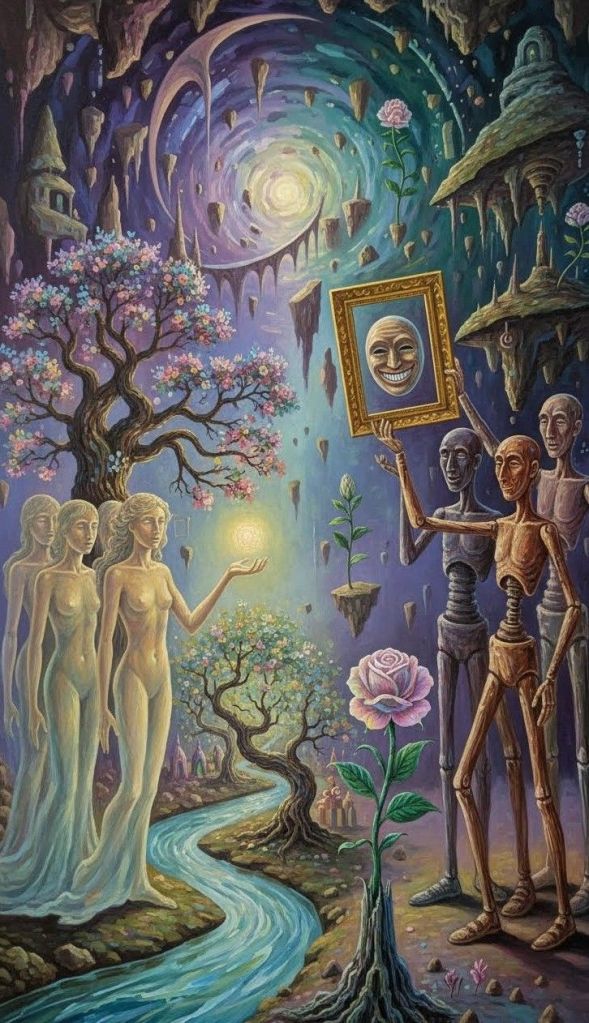
    When people commit cruel, manipulative, or violent acts, we often reach for spiritual labels. We call them evil, demonic, or possessed. But what if we looked at those behaviors through another lens?

    What if we asked, “What instinct is driving this person?”

    Animals aren’t evil. They survive according to their nature. They protect territory, compete, flee danger, and react to threats. Human beings have those same survival instincts, but we also possess the capacity to observe ourselves, question our reactions, and choose differently.

    That is where consciousness begins.

    When I hear someone talk about a spirit animal, I wonder if we’re only looking at the qualities we admire. Maybe our instinctive nature also has a shadow side. Under stress, fear, jealousy, humiliation, or anger, what instinct takes over? Do we become defensive? Aggressive? Controlling? Withdrawn? Predatory? Protective?

    These questions aren’t meant to shame us. They’re meant to help us understand ourselves.

    I like thinking about it as the difference between our higher self and our lower self—our God self and our dog self.

    Our higher self creates, reflects, loves, and chooses intentionally.

    Our lower self reacts, protects, survives, and follows instinct without awareness.

    The goal isn’t to destroy our instincts. Instinct keeps us alive. The goal is to become conscious enough that instinct no longer controls every decision we make.

    The more awareness we cultivate, the more freedom we gain.

    Perhaps the real spiritual journey isn’t about proving we’re good. It’s about recognizing when we’ve slipped into unconscious survival patterns and gently returning to awareness, compassion, and choice.

    Maybe that’s what growth really is—not becoming someone else, but remembering the part of ourselves that can choose instead of simply react.

  • ✨VIRTUE SIGNALING And GRANDSTANDING

    Watch video here:

    https://youtu.be/SN9VhO0CXNA?is=yDja-qDmb4BuBtW-

    Grandstanding, Virtue Signaling, and the Search for Borrowed Energy

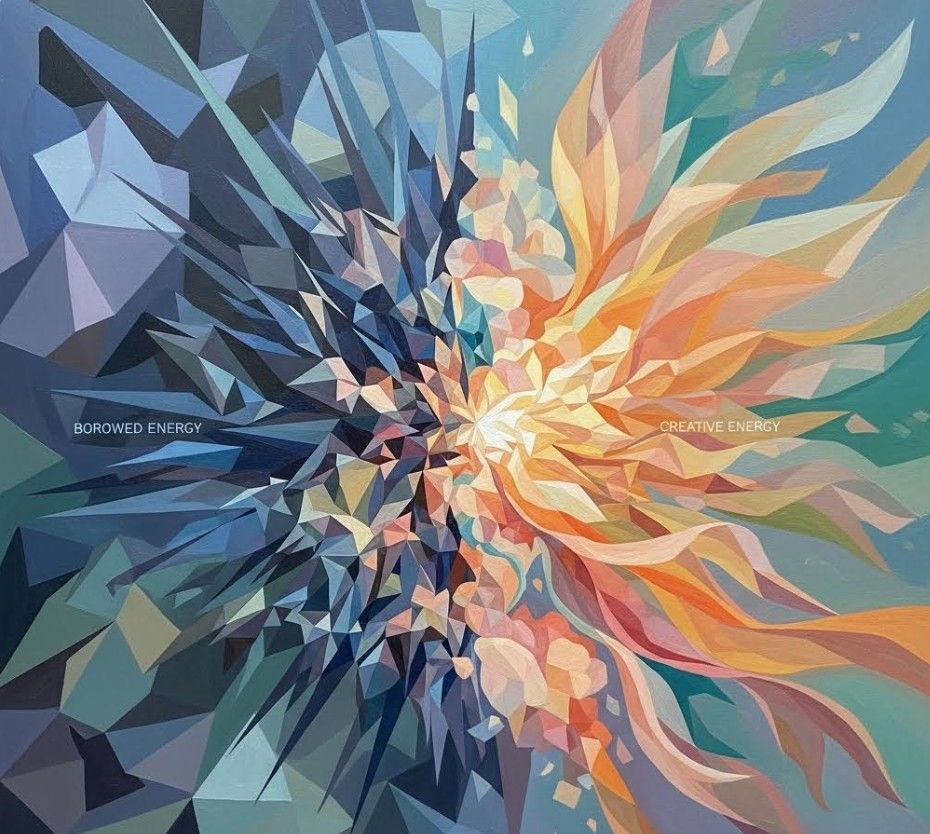
    One of the themes I’ve been exploring is the difference between borrowed energy and creative energy.

    Creative energy comes from within. It builds, creates, heals, solves problems, and remains connected to who you are whether anyone notices or not.

    Borrowed energy depends on something outside of you. It often relies on attention, comparison, validation, conflict, or the emotional reactions of others.

    This is where grandstanding and virtue signaling can enter the picture.

    To be clear, speaking about your values isn’t virtue signaling, and helping people publicly isn’t automatically grandstanding. Many people advocate for important causes, share acts of kindness to inspire others, or use their platform to create meaningful change.

    The difference is found in the motivation.

    Grandstanding happens when the performance becomes more important than the purpose. Instead of quietly contributing to a solution, the focus shifts toward being recognized as the person who contributed.

    Virtue signaling occurs when displaying morality becomes more important than consistently living by those values. The appearance of integrity begins to outweigh the practice of integrity.

    Both behaviors can become forms of borrowed energy because they rely on external validation to reinforce identity.

    This also connects to narrative control.

    Sometimes maintaining the image of being the “good person” requires someone else to become the “bad person.” Instead of pursuing understanding or accountability, the story becomes carefully managed to preserve a public identity.

    When that happens, another person’s pain, mistakes, or struggles can unintentionally become the backdrop for someone else’s reputation.

    Creative energy doesn’t work this way.

    Creative energy asks:

    * What can I build?
    * What can I contribute?
    * How can I make this situation better?
    * How can I embody the values I claim to hold?

    It doesn’t require applause to remain authentic.

    It doesn’t need comparison to establish worth.

    It doesn’t depend on someone else’s downfall to feel significant.

    As we continue exploring borrowed energy, you’ll probably notice that many behaviors share the same root. Whether it’s comparison, triangulation, narrative control, grandstanding, or virtue signaling, the common thread is searching outside ourselves for significance.

    Creative energy invites us in a different direction.

    Instead of performing who we are, we become who we are.

    And from that place, our actions naturally speak louder than our image ever could.

  • ✨GENUINE GOOD PEOPLE, PERFORMATIVE GOOD PEOPLE, PEOPLE WHO ARE “GOOD” AT OTHERS EXPENSE/ DEMISE ✨

    Watch video here:

    https://youtube.com/shorts/GiD6Sn80HKo?is=bsLtvwNxubi0S1l6

    Many people confuse being perceived as good with actually being good. While the two can look similar on the surface, they come from very different motivations.

    Performing as a good person is often driven by the need for approval, acceptance, or maintaining an image. A person’s actions may appear generous or kind, but the underlying motivation is to protect how they are seen by others. When their image is threatened, defensiveness, blame, or manipulation often follows because preserving the appearance of goodness becomes more important than pursuing truth.

    True goodness, on the other hand, flows from integrity. It doesn’t depend on recognition or validation. A genuinely good person is willing to take responsibility for mistakes, seek reconciliation, and do what is right even when no one is watching. Their character remains consistent because it is rooted in conviction rather than performance.

    There are also people who appear good because someone else is carrying the cost. In unhealthy family systems, workplaces, or relationships, one person may be blamed, silenced, or sacrificed so another can maintain the role of the “good” person. This creates an illusion of goodness that depends on another person’s suffering. Genuine goodness never requires another person to lose their voice, dignity, or worth so someone else can protect their reputation.

    Real goodness is revealed not by appearances, but by humility, accountability, compassion, and the willingness to tell the truth with love. It builds others up rather than using them to maintain an image.

  • ✨BORROWED ENERGY And CREATIVE ENERGY ✨

    Watch video here:

    https://youtube.com/shorts/5f9w6rVOc4s?is=98-XSD1tIaBLe-Gz

    Borrowed energy keeps you reacting. Creative energy allows you to create. When your identity depends on approval, validation, fear, or someone else’s expectations, you’re living from borrowed energy. Healing isn’t about becoming someone new—it’s about returning to yourself so your thoughts, choices, and creativity come from within instead of from survival.

    Creative energy and borrowed energy come from two very different places.

    Borrowed energy is survival energy. It develops when we learn to depend on other people’s approval, emotions, expectations, or validation to feel safe, valuable, or secure. Instead of creating from our own identity, we spend our energy reacting, proving ourselves, people-pleasing, or trying to maintain acceptance. While borrowed energy can help us survive difficult environments, it often disconnects us from our authentic voice and leaves us emotionally exhausted.

    Creative energy is self-generated energy. It flows from a regulated nervous system, a grounded sense of identity, and an internal foundation rather than external circumstances. When you are connected to yourself, your creativity is no longer driven by fear or the need to perform. Your ideas, decisions, relationships, and work become expressions of who you are instead of attempts to earn your worth.

    Healing is the transition from borrowed energy to creative energy. As we regulate our bodies, establish healthy boundaries, and deepen our relationship with God, we stop living from survival and begin creating from purpose. Rather than borrowing life from the people around us, we become rooted in the life that God has already placed within us. From that place, creativity, peace, wisdom, and authentic connection begin to flow naturally.

    Watch 2nd Video here:

    https://youtu.be/SN9VhO0CXNA?is=yKzbcwTpauOnobai

    Creative Energy vs. Borrowed Energy

    One of the biggest shifts we can make is learning to recognize where our energy comes from.

    Creative energy is self-generated. It comes from curiosity, purpose, love, integrity, and a regulated nervous system. It creates ideas, solutions, beauty, connection, and growth without needing to diminish anyone else.

    Borrowed energy, on the other hand, often comes from an unhealed wound. Instead of creating something new, it relies on someone else’s attention, success, emotions, or identity to feel powerful or significant.

    That wounded energy can express itself in several ways:

    – Borrowed energy seeks validation or identity through someone else.
    – Redirected energy shifts attention away from another person’s strengths or accomplishments to avoid discomfort or insecurity.
    – Extractive energy feeds on another person’s emotional, mental, or spiritual resources without giving back.
    – Contrast energy creates significance by making comparisons, criticism, or positioning oneself against someone else.

    These are all different expressions of the same underlying pattern: looking outside ourselves for the energy we’re meant to cultivate within.

    The invitation isn’t to shame ourselves or others. It’s to become aware. Every moment gives us a choice: continue borrowing energy, or begin creating it.

    Creative energy is slower to build, but it lasts. Borrowed energy may feel powerful for a moment, but it eventually leaves us empty.

    The more we create from within, the less we need to take from anyone else.

  • ✨WOUNDED FAMILY SYSTEMS Wounded Masculine and Feminine Energy ✨

    The Wounded Family System

    A wounded family system is a family dynamic where unresolved pain, fear, and unhealthy coping patterns are passed from one generation to the next. Roles such as the caretaker, scapegoat, golden child, or peacemaker often develop as survival strategies instead of allowing each person to express their authentic self. Healing begins by recognizing these patterns, developing self-awareness, creating healthy boundaries, and choosing responses that bring peace instead of repeating cycles of dysfunction.

    The Wounded Masculine & Wounded Feminine

    The wounded masculine and wounded feminine are patterns of imbalance that can exist in anyone, regardless of gender. The wounded masculine may express itself through control, emotional suppression, anger, or overachievement, while the wounded feminine may appear as people-pleasing, self-abandonment, fear of rejection, or difficulty receiving. Healing comes through balancing both energies—developing healthy structure and accountability alongside compassion, intuition, emotional safety, and self-worth. When these qualities work together, we are able to live, love, and lead from a place of wholeness rather than survival.

    Watch video here:

    https://youtube.com/shorts/Ed_gwGakyMk?is=9v5ZRiItDdSnoHZ5

    Healing is not just about leaving a person. Sometimes healing means recognizing the system that created the behavior, understanding the pattern, and choosing not to carry it forward.

  • NEPTUNE RETROGRADE

    Neptune Retrograde in Aries (4°)

    Neptune retrograde at 4° Aries invites you to reconnect with your inner fire when it feels just out of reach. This degree represents willpower, courage, and new beginnings, yet during this retrograde it can feel as though your magic wand has been placed just beyond your grasp. The warrior may question their strength, and the magician may feel disconnected from their spark. Rather than signaling a loss of power, this transit asks you to discover that your power has simply changed form.

    Mentally, Neptune retrograde can diminish motivation, confidence, and drive, creating feelings of isolation, exclusion, or temporary defeat. Spiritually, this transit emphasizes temperance, mindful communication, and honoring the energy behind your words. It reminds you to avoid overpromising, overgiving, or carrying responsibilities that were never yours to hold.

    On a physical level, this energy may be experienced through the circulatory system, the ankles, or as creative blocks that make writing, speaking, or creating feel more difficult than usual.

    At its core, this retrograde teaches the Law of Transmutation—the ability to transform frustration, exhaustion, and uncertainty into wisdom, resilience, and renewed purpose. You may be called to confront areas where you have overextended yourself, accepted unfair circumstances, or continued fighting without replenishing your own energy. Even when you feel disconnected from your magic, this transit reminds you that true strength is developed by facing the battle before you with honesty and patience.

    Challenges during this period may include spiritual gluttony, giving beyond your capacity, or feeling pressured to provide more information, communication, or emotional energy than you can sustainably offer. Relationships with communities, audiences, or the collective may also feel interrupted, leaving you temporarily disconnected from your creative flow or sense of belonging.

    Your blind spot during this retrograde is Virgo energy. Watch for excessive criticism, self-scrutiny, overthinking, perfectionism, or the tendency to overcorrect every detail. These patterns can quietly pull you further away from your intuition. Instead, allow discernment to replace perfection and trust that your magic returns through presence, balance, and conscious action—not force.